Dhanishta Nakshatra: Meaning, Nature, and Evolutionary Role
1. What a Nakshatra Really Is
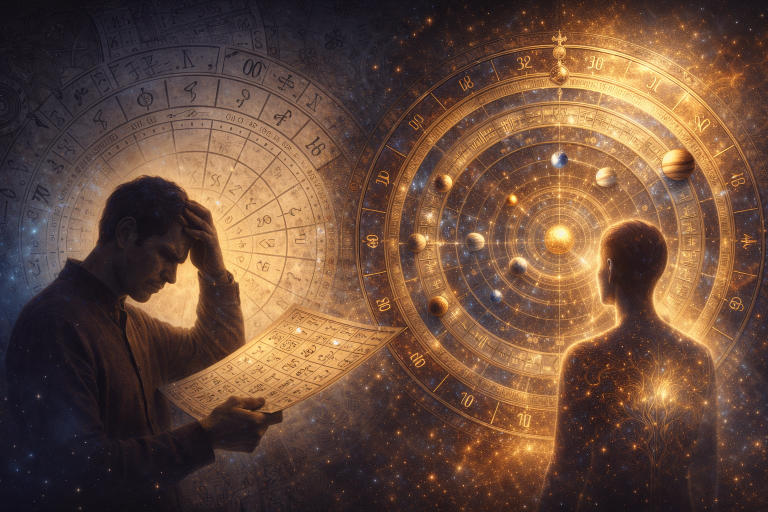
A nakshatra is not a personality trait but a deep psychological conditioning field. While planets show what is acting and zodiac signs show how it expresses, nakshatras reveal why reactions arise instinctively and emotionally. They operate below conscious thought, shaping reflexes, attachment patterns, and inner responses before choice or reasoning appears. This is why nakshatras feel personal — they show how experience is processed at the deepest level of the mind.
This nakshatra shows how knowledge seeks expression and distribution.
If Uttara Ashadha stabilizes responsibility and Shravana listens, learns, and preserves, Dhanishtha broadcasts and mobilizes.
Understanding no longer remains internal. Life now asks: “How will this be shared with the world?” Dhanishtha represents movement of knowledge into society.
2. Core Nature of Dhanishtha (Essence)
Dhanishtha’s core drive is to circulate energy, wealth, and influence.
It represents the instinct: “What I have must move.” Dhanishtha is not about contemplation. It is about participation and visibility.
This nakshatra values rhythm, social engagement and collective momentum. Dhanishtha understands that stagnant resources lose value.
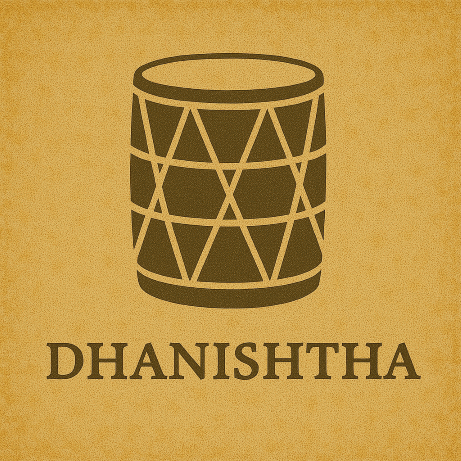
3. Symbol and Its Psychological Meaning — Drum / Flute
The drum creates rhythm that gathers people. The flute carries sound across distance.
Psychologically, these symbols represent social synchronization, leadership through momentum, and communication through rhythm.
hanishtha does not persuade quietly. It sets tempo.
4. Ruling Deities — The Eight Vasus
The Vasus represent elemental wealth, material resources and social infrastructure. They govern prosperity, material abundance and natural resources.
Under Dhanishtha, the Vasus operate as management of wealth, distribution of resources and coordination of collective systems. This nakshatra is deeply connected to material and social prosperity.
5. Planetary Ruler — Mars
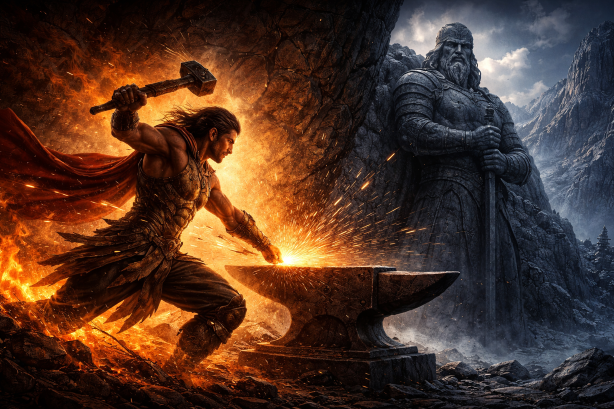
Mars ruling Dhanishtha provides drive to act publicly, courage to take initiative and energy to mobilize groups.
Here Mars is not personal aggression. It is collective activation. Dhanishtha moves people, markets, and systems.
6. How Dhanishtha Expresses When Strong
A mature Dhanishtha produces active leadership and skill in managing resources. It gives:
- Ability to generate collective movement
- Social visibility and influence
- Strong sense of timing and rhythm
Such individuals thrive in public roles and manage money, teams or systems very well. They often excel in business, politics, music, logistics, leadership, finance, or large-scale coordination — areas where flow and timing determine success.
7. How Dhanishtha Distorts When Unconscious
Without awareness, Dhanishtha becomes status-driven and noisy without substance. Common distortions include:
- Obsession with wealth or recognition
- Constant activity without direction
- Competition for visibility
- Burnout through over-engagement
Such people measure worth only through wealth or visibility and burn out through constant activity. This is movement without purpose.
8. Relationship with the Moon
Moon in Dhanishtha creates a mind that feels emotionally alive through activity, becomes restless in stillness and regulates emotion through engagement. Emotionally, stillness feels empty.
Such individuals seek stimulation continuously, feel validated through participation and become uneasy when excluded.
9. Evolutionary Lesson of Dhanishtha
Dhanishtha must learn that movement must serve meaning, not replace it.
The lesson is to distribute without ego, to create rhythm without noise and to circulate wealth and influence responsibly. Dhanishtha matures when it learns: “What moves through me is not mine to hoard.”
10. Summary
Dhanishtha is social rhythm and material circulation. It moves knowledge, resources, and influence into the world. When unconscious, it becomes noisy and status-driven. When mature, it becomes the force that keeps societies dynamic, prosperous, and connected.