Sun (Surya): Meaning, Role, and Importance in Astrology
1. What a Planet Really Is — Placing the Sun Correctly
In Jyotisha, a planet is not an event-maker. A planet is a principle of consciousness that operates through signs and houses.
- Signs show how a principle behaves
- Houses show where it acts
- Planets show what is acting
The Sun is not about daily happenings. It is about existence itself — the right to say “I am.” When the Sun is weak, life does not collapse immediately, but clarity of identity and authority does.
2. Core Identity of the Sun — What the Sun Symbolizes
The Sun represents:
- Selfhood and identity
- Ego in its pure sense (self-recognition, not arrogance)
- Vitality and life force
- Authority, leadership, and legitimacy
- Father, lineage, and societal role
Psychologically, the Sun answers one question: “Who am I, and why do I have the right to stand here?”
A strong Sun produces confidence, clear boundaries, and natural authority. A damaged Sun produces self-doubt, fear of visibility, and difficulty owning decisions.
Example: Two people may be equally intelligent. The one with a strong Sun takes charge; the one with a weak Sun waits for permission.
3. Signs Ruled by the Sun — Leo and Its Logic
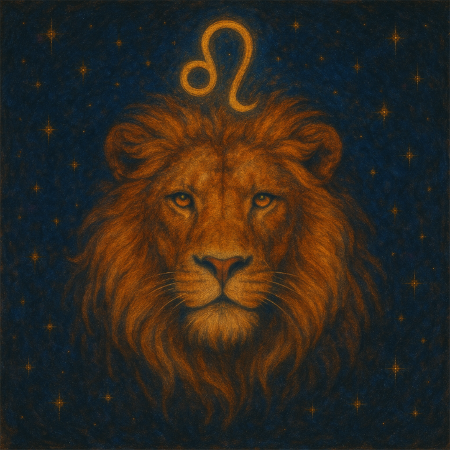
The Sun rules only one sign: Leo. Leo is not about drama by default; it is about centrality.
Just as the Sun is the center of the solar system, Leo seeks recognition, visibility, and respect. Identity must be singular; authority cannot be divided. This is why the Sun rules only one sign, unlike dual-lord planets.
4. How the Sun Operates Through Different Zodiac Signs
The Sun itself never changes. What changes is how identity expresses, depending on the zodiac sign the Sun occupies. The Sun shows who you are. The sign shows how you try to be that person. Think of it this way:
- The Sun decides what part of the self must be honored
- The sign decides how that self-expression behaves
"So when we say “Sun in a sign”, we are really saying:"
Sun in Fire Signs (Aries, Leo, Sagittarius)
Identity is active and expressive.
- Selfhood comes from action, confidence, and purpose
- The person needs movement, initiative, or meaning to feel alive
- Suppression leads to anger or frustration
Example:
A fire-sign Sun feels invisible when inactive.
Sun in Earth Signs (Taurus, Virgo, Capricorn)
Identity is built and earned.
- Self-worth grows through work, stability, and tangible results
- The person defines themselves by usefulness or achievement
- Laziness or dependency weakens confidence
Example:
An earth-sign Sun feels secure only after something concrete is accomplished.
Sun in Air Signs (Gemini, Libra, Aquarius)
Identity is relational and mental.
- Selfhood develops through ideas, communication, or social role
- The person needs interaction, dialogue, or intellectual relevance
- Isolation weakens clarity of self
Example:
An air-sign Sun feels lost without conversation or mental exchange.
Sun in Water Signs (Cancer, Scorpio, Pisces)
Identity is emotional and internal.
- Self-worth is tied to emotional connection, depth, or meaning
- The person defines themselves through bonds, intensity, or sensitivity
- Emotional neglect damages confidence
Example:
A water-sign Sun feels unseen when emotionally disconnected, even if externally successful.
5. What It Means When the Sun Is Strong
A strong Sun does not automatically mean fame or power. It means:
- Clear sense of self
- Stable ego
- Confidence without noise
- Comfort with responsibility
- Ability to act without validation
People with a strong Sun often take ownership of mistakes, stand alone if needed, and handle leadership pressure with composure.
Example: A manager with a strong Sun leads calmly. A manager with a weak Sun micromanages or avoids decisions.
6. What It Means When the Sun Is Weak
A weak Sun does not deny success, but it creates identity strain:
- Fear of visibility
- Dependence on approval
- Authority conflicts
- Difficulty asserting boundaries
Example: A skilled person avoids promotion because visibility feels threatening. This is a Sun issue, not a competence issue.
Weak Sun placements force growth through humility, self-worth development, and learning inner authority.
7. Integrating the Sun with Sign and House
The Sun must always be judged in context:
- Sign — how identity behaves
- House — where identity seeks expression
- Aspects — who supports or challenges identity
Examples:
Sun in the 10th house seeks identity through career and authority.
Sun in the 12th house dissolves identity into service, isolation, or spirituality.
Sun with Saturn tests authority through responsibility.
Sun with Rahu inflates or distorts identity.
8. Why the Sun Matters
When the Sun principle is ignored or underdeveloped:
- Talents remain unused
- Leadership is avoided or misused
- Decisions depend excessively on others
- Success feels undeserved
The Sun teaches one essential lesson: Before you ask what to do, you must know who you are.
Without the Sun, planets act. With the Sun, they act with purpose.